
The Death of the McMansion: How American Home Design Pivoted Toward Purpose (2006–2026)
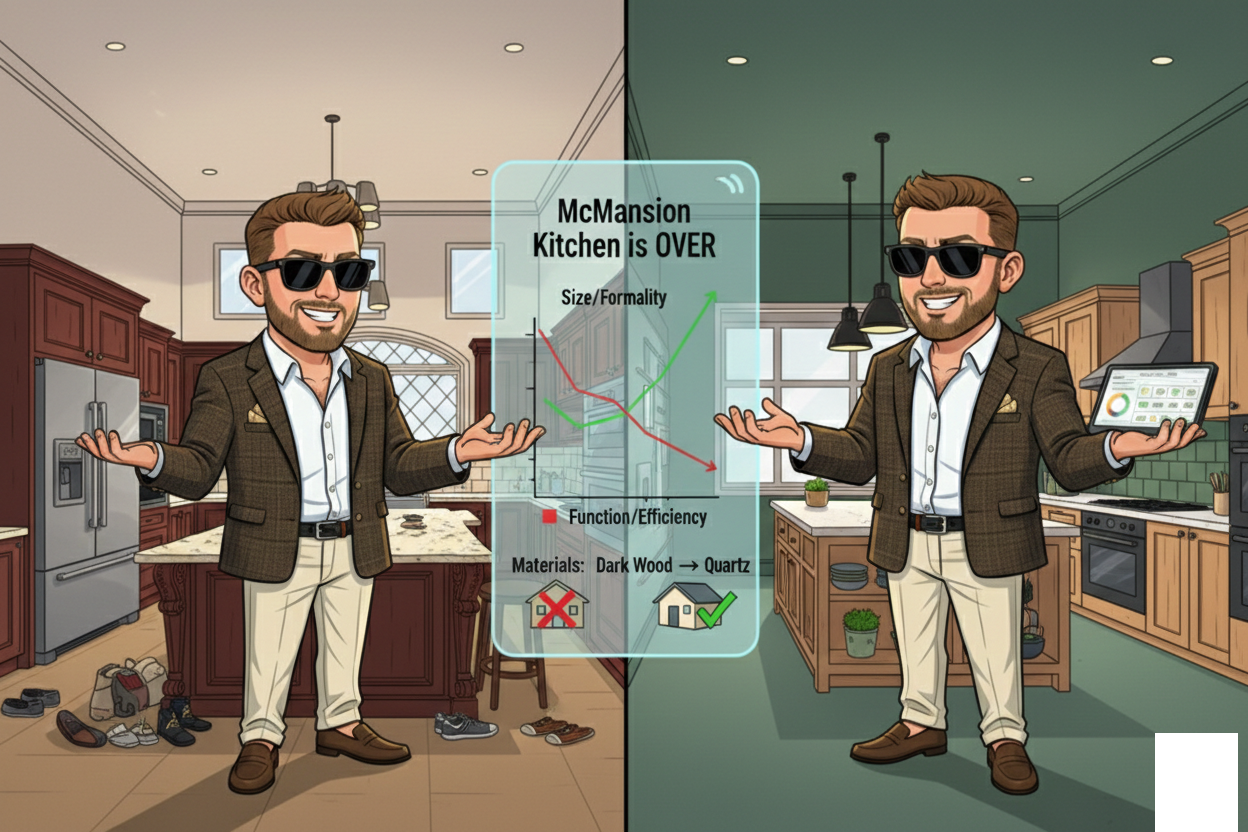
The American landscape has undergone a profound architectural metamorphosis over the last twenty years. The era of the "McMansion, characterized by sprawling footprints and hollow formal grandeur, has been replaced by a new philosophy: intentionality. Today’s homeowners are swapping ego-driven square footage for high-functioning, personalized sanctuaries that prioritize long-term resilience and daily utility.
From Prestige to Practicality
Two decades ago, the American dream was measured by the acre and the archway. In the mid-2000s, success was signaled through:
The "Grand Entrance": Massive two-story foyers and purely decorative columns.
Redundant Rooms: Separate formal parlors and dining rooms that sat empty 360 days a year.
The "Bigger is Better" Ethos: Real estate value was tied almost exclusively to sheer volume.
By 2026, the script has flipped. Modern buyers are rejecting "dead space" in favor of layouts that actually support their 24/7 routines. The goal isn't to impress the neighbors; it’s to accommodate the dweller.
The Rise of the Lean, High-Performance Home
Economic shifts; ranging from volatile interest rates to the soaring cost of homeowners’ insurance, have made "excess" a liability. We are seeing a move toward right-sizing, which offers several strategic advantages:
Economic Efficiency: Smaller lots and optimized square footage lead to lower property taxes, utility bills, and maintenance overhead.
The "Niche" Revolution: General-purpose "bonus rooms" have been replaced by specialized zones, such as dedicated acoustic pods for remote work or cozy reading alcoves.
Adaptive Layouts: Walls are coming down or moving around; the formal dining room has been reborn as a vibrant multi-use studio or a main-floor guest suite.
A Design Evolution: Goodbye Beige, Hello Identity
The aesthetic palette of the American home has transitioned from "safe and sellable" to "bold and personal."
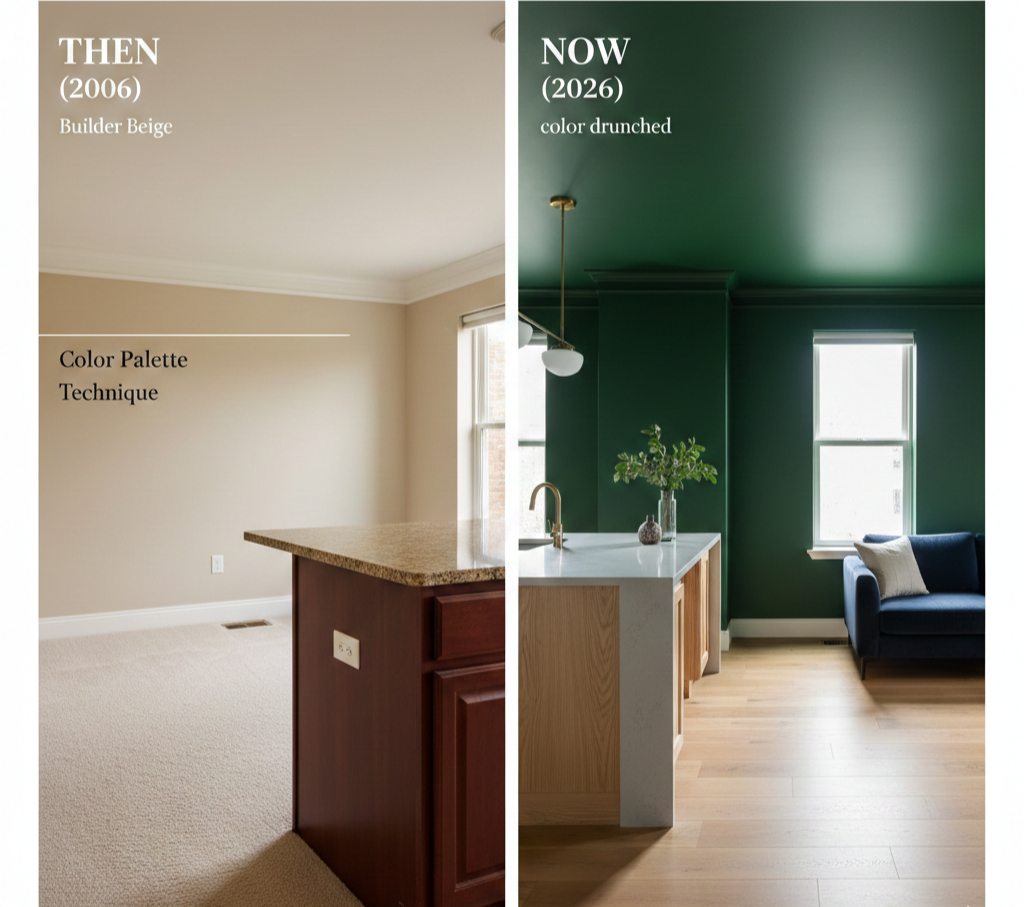
This shift toward saturated colors and "color drenching" reflects a desire for homes to feel like curated galleries of self-expression rather than cookie-cutter commodities.
The New Essentials: Wellness and Resilience
In 2026, a home's value is increasingly tied to its ability to protect and rejuvenate its inhabitants. Features that were once "fringe" are now frontline priorities:
The Home Spa: Bathrooms are being reimagined as wellness retreats with infrared saunas and cold plunge tubs.
Hobby Integration: "Man caves" have evolved into professional-grade simulators (golf or racing) and high-end pickleball courts.
Climate Fortification: With extreme weather becoming more frequent, listings now highlight whole-home batteries (like the Tesla Powerwall), EV charging infrastructure, and fire-resistant siding as essential luxury upgrades.
Strategic Takeaways for 2026
For Buyers:
Don’t be blinded by square footage. Evaluate a home based on its flow and flexibility. A 2,200-square-foot home with a smart layout often provides more "living power" than a poorly designed 4,000-square-foot mansion.
For Sellers:
Marketing a "big house" is no longer enough. You must market a lifestyle. Highlight your home’s energy efficiency ratings, its smart-home integration, and its specialized spaces. In the current market, a well-placed EV charger or a stunning "drenched" home office can be a bigger closing trigger than an extra bedroom.
The McMansion hasn't just gone out of style; it has gone out of sync with the way we live. The home of 2026 is a hardworking, resilient, and deeply personal space. It is no longer a monument to status, but a sophisticated tool for a better life.